A dust collector may continue running even when its cleaning efficiency is gradually declining. In many industrial applications, operators usually focus on filter bags, airflow capacity, or dust loading conditions when performance problems appear. However, the component responsible for controlling the cleaning process is often overlooked: the valve that releases compressed air to remove dust from filter surfaces. In a pulse jet dust collection system, the performance of this valve directly affects filtration efficiency, energy consumption, and maintenance frequency. As a professional manufacturer specializing in dust collector components, Xiechang Global develops reliable Pulse Valve solutions designed to improve cleaning performance and support stable operation in demanding industrial environments. Compared with traditional valves mainly used for general airflow control, Pulse Valves are specifically engineered for rapid and repeated cleaning cycles, making them an essential part of modern dust collection systems.
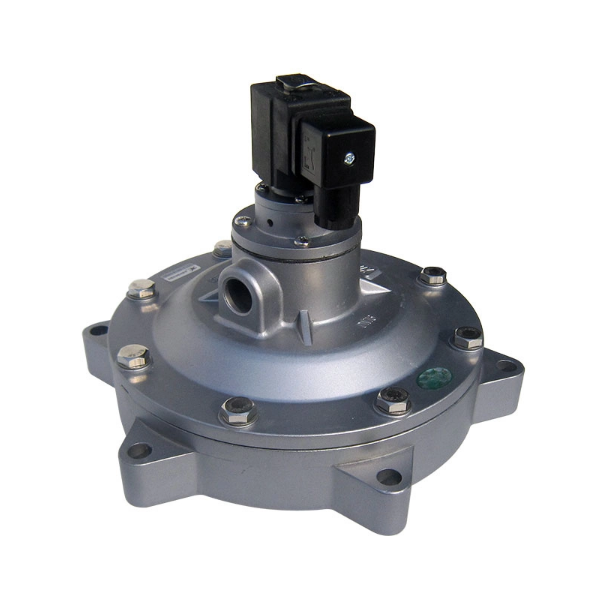
Why Does Valve Performance Affect Dust Collector Efficiency?
A dust collector works by capturing airborne particles through filter bags or cartridges. During operation, dust gradually accumulates on the filter surface, creating resistance to airflow. A certain amount of dust buildup is normal and can even improve filtration performance, but excessive accumulation will reduce airflow efficiency and increase the pressure difference inside the system.
To maintain stable operation, dust collectors require an effective cleaning process. Pulse jet cleaning systems use compressed air to remove dust from filter surfaces through short and powerful air pulses. The valve controlling this process must respond quickly and accurately because every cleaning cycle depends on the timing and strength of compressed air release.
A valve used in dust removal equipment is not simply a device for opening and closing airflow. It needs to withstand frequent operation, maintain stable sealing performance, and deliver consistent cleaning force over a long service period. If the valve cannot provide sufficient air impact, dust may remain attached to the filter surface, causing higher pressure drop and reducing the overall performance of the dust collector.
The Importance of Pulse Valves in Dust Cleaning Systems
A Pulse Valve is designed specifically for pulse jet cleaning applications. When the dust collector controller sends a signal, the valve opens rapidly and releases compressed air from the air tank into the cleaning pipe. This sudden release creates a strong airflow impact that removes accumulated dust from filter bags or cartridges.
Unlike traditional airflow control valves, Pulse Valves focus on delivering a fast and concentrated air pulse rather than maintaining continuous airflow. This difference in design purpose allows them to provide better cleaning efficiency while using compressed air more effectively.
The internal structure of a Pulse Valve, especially the diaphragm system, plays an important role in determining performance. A high-quality diaphragm allows quick opening and closing, reliable sealing, and stable operation under repeated cleaning cycles. These characteristics are particularly important for industrial dust collectors that operate continuously.
Why Traditional Valves Are Less Suitable for Pulse Cleaning
Traditional valves are widely used in industrial pipelines and equipment because they can effectively control the movement of gases and liquids. Their main purpose is usually flow regulation, isolation, or pressure control.
However, dust collector cleaning requires a different type of performance. The cleaning valve must release compressed air within a very short time and generate enough force to remove dust from filter surfaces. Traditional valves are generally not optimized for this high-frequency pulse operation.
When a traditional valve is used in a pulse cleaning system, several problems may occur. The response speed may not be sufficient, the airflow release may be less concentrated, and the cleaning effect may become inconsistent. Over time, this can increase compressed air consumption and shorten maintenance intervals.
For this reason, many industrial dust collection systems use dedicated Pulse Valve technology to achieve more reliable cleaning performance.
How Do Pulse Valves Improve Dust Collector Performance?
The main advantage of Pulse Valves is that they are developed around the specific requirements of dust collector cleaning. Their design allows the system to remove dust more efficiently while maintaining stable operation.
Faster Response Improves Cleaning Effectiveness
The cleaning efficiency of a pulse jet dust collector depends greatly on how quickly compressed air can be released. A Pulse Valve is designed to open and close rapidly after receiving an electrical signal from the controller.
This fast response creates a strong air pulse that travels through the filter system and removes dust effectively. Because the cleaning process happens quickly, the dust collector can maintain filtration operation without unnecessary interruption.
A slower valve response may reduce the impact of the cleaning pulse. When dust is not removed completely, it can accumulate over multiple cycles and gradually affect system performance. Pulse Valves help avoid this problem by providing consistent and powerful cleaning action.
Precise Air Release Reduces Energy Waste
Compressed air is an important operating cost in industrial dust collection systems. Poor airflow control can result in excessive air consumption without improving cleaning performance.
Pulse Valves are designed to release compressed air only when required and for the appropriate duration. This precise control helps reduce unnecessary air loss while maintaining effective dust removal.
For large-scale industrial facilities, improving compressed air efficiency can significantly reduce operating costs. A well-performing Pulse Valve allows the dust collector to achieve better cleaning results with optimized energy use.
Stable Cleaning Protects Filter Life
Filter bags and cartridges represent a major part of a dust collector system. Their service life is influenced not only by material quality but also by the effectiveness of the cleaning process.
Insufficient cleaning can cause excessive dust buildup, increasing airflow resistance and placing additional stress on filter materials. As a result, maintenance frequency may increase and equipment operation may become less stable.
By providing consistent air pulses, Pulse Valves help maintain cleaner filter surfaces and support longer filter service life. This improves the reliability of the dust collector and reduces unnecessary downtime.
Pulse Valves Vs. Traditional Valves: What Are the Key Differences?
Although Pulse Valves and traditional valves both control airflow, they are designed for different purposes. Pulse Valves are developed for high-speed dust cleaning, while traditional valves are mainly used for general industrial flow control.
Performance Aspect | Pulse Valve | Traditional Valve |
Main Purpose | Designed for pulse jet filter cleaning | Designed for general airflow control |
Air Release Method | Short and powerful compressed air pulse | Continuous or standard airflow adjustment |
Response Speed | Rapid opening and closing | Usually slower response |
Cleaning Performance | Strong impact for dust removal | Limited cleaning capability |
Operating Conditions | Suitable for frequent cleaning cycles | Suitable for normal flow applications |
Energy Efficiency | Optimized compressed air usage | May consume more air during operation |
Cleaning Performance Comparison
The biggest difference between Pulse Valves and traditional valves is their ability to support effective filter cleaning. A dust collector requires a sudden pressure change to remove dust from filter surfaces, and Pulse Valves are specifically designed to create this effect.
Traditional valves may control airflow successfully in many industrial applications, but they are not designed to generate the high-speed air pulses required for efficient dust removal. This makes Pulse Valves a more suitable solution for baghouse systems and other pulse cleaning equipment.
Reliability for Continuous Industrial Applications
Industrial dust collectors often operate in challenging environments where equipment must handle frequent cycles, compressed air pressure, and long operating periods. Valve reliability directly influences the stability of the entire dust collection system.
Pulse Valves are designed for repeated operation and demanding industrial conditions. Their optimized structures and durable components help maintain stable performance over time, making them suitable for industries where dust control is critical.
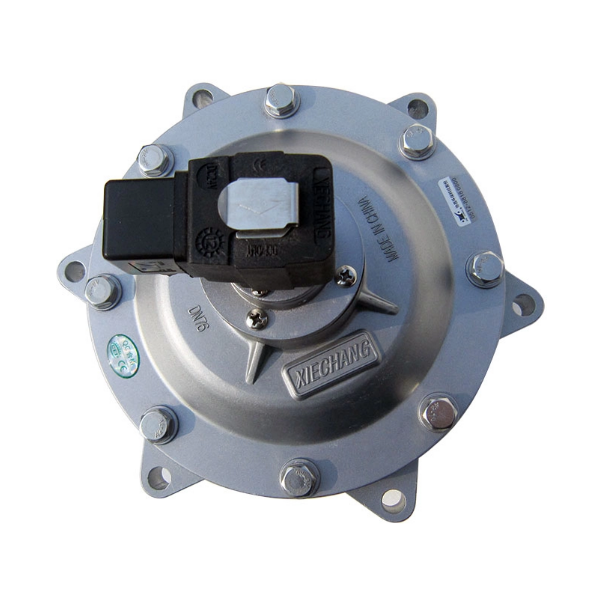
How Does Xiechang Pulse Valve Support Better Dust Collection?
Xiechang Global focuses on developing and manufacturing dust collector components that help industrial users achieve efficient air pollution control. With extensive experience in Pulse Valve technology, the company provides solutions designed for different dust collection requirements.
The company’s product range includes various Pulse Valve designs, such as immersed pulse valves, threaded pulse valves, straight-through pulse valves, and explosion-proof pulse valves. These different structures allow customers to select suitable solutions according to system design and operating conditions.
For example, the Immersed Pulse Valve is widely used in dust collector systems where efficient air delivery and stable cleaning performance are required. Its structure helps achieve effective compressed air release and reliable operation in industrial environments.
As a specialized supplier of dust collector components, Xiechang Global combines product design, manufacturing experience, and application knowledge to provide Pulse Valve solutions for industries including metallurgy, cement, petrochemical, electric power, and waste treatment.
Conclusion
Maximizing dust collector performance requires attention to every part of the cleaning system, and the valve controlling compressed air release plays a critical role in achieving stable operation. Compared with traditional valves, Pulse Valves are specifically designed for rapid response, efficient air control, and repeated dust cleaning cycles. These advantages help improve filtration efficiency, reduce energy consumption, and extend the service life of dust collection equipment. As a professional Pulse Valve manufacturer, Xiechang Global continues to provide reliable dust collector solutions for customers around the world. To learn more about Pulse Valve products and find a suitable solution for your dust collection system, contact us today.
FAQ
What is the function of a Pulse Valve in a dust collector?
A Pulse Valve controls the release of compressed air during the cleaning process of a dust collector. It creates a powerful air pulse that removes dust accumulated on filter bags or cartridges, helping maintain stable filtration performance.
Why are Pulse Valves better than traditional valves for dust collector systems?
Pulse Valves are designed specifically for rapid and repeated pulse cleaning operations. Their fast response and optimized airflow release provide stronger cleaning performance compared with traditional valves designed mainly for general flow control.
Can Pulse Valves help reduce dust collector operating costs?
Yes. By controlling compressed air release more accurately, Pulse Valves can reduce unnecessary air consumption and improve the energy efficiency of dust collection systems.
Which industries commonly use Pulse Valve dust collection systems?
Pulse Valve systems are widely used in industries that require continuous dust control, including cement manufacturing, metallurgy, mining, chemical processing, electric power, and waste treatment.


