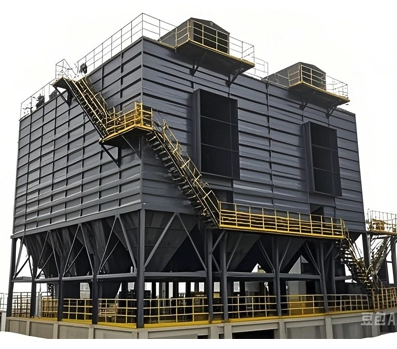
A pulse jet dust collector plays a critical role in modern industrial air pollution control, yet many buyers struggle to choose the right system. Cost, efficiency, and long-term performance often raise more questions than answers. This buying guide breaks down how a pulse jet dust collector really works, what drives operating costs, and why efficiency matters over time. We help you understand design options, energy use, and selection factors, so you can invest with confidence and avoid costly mistakes.
Understanding the True Cost of a Pulse Jet Dust Collector
The cost of a pulse jet dust collector goes far beyond the price tag on a quotation. Many buyers focus on upfront numbers, yet most expenses appear later during operation and maintenance. To make a smart decision, we need to understand how cost builds over time and where savings really come from.
Initial Purchase Cost Explained
The purchase price of a pulse jet dust collector depends on several technical factors. Airflow capacity is one of the biggest drivers. Higher CFM requirements mean larger housings, more filter elements, stronger fans, and heavier structures. As system size grows, cost rises quickly.
Design choice also plays a major role. Baghouse-style pulse jet dust collectors usually cost less at the entry level and work well for high-temperature or heavy dust loads. Cartridge pulse jet dust collectors often cost more per square meter of filtration, but they save space and simplify maintenance. Material selection further affects pricing. Carbon steel is common and cost-effective for standard applications. Stainless steel increases corrosion resistance and hygiene, yet it raises the initial investment.
| Cost Factor | Impact on Purchase Price |
| Airflow capacity (CFM) | Larger systems cost significantly more |
| Baghouse design | Lower initial cost, larger footprint |
| Cartridge design | Higher unit cost, compact layout |
| Carbon steel | Lowest material cost |
| Stainless steel | Higher cost, longer durability |
Operating Costs Over Time
Once the system starts running, operating expenses become the main cost driver. Fan power consumption depends on airflow volume and pressure drop. Well-designed pulse jet systems maintain stable pressure, which helps control energy use. Poor design leads to higher electricity bills month after month. Compressed air usage is another key factor. Pulse jet cleaning consumes air in short bursts. Smart control systems reduce unnecessary pulsing, lowering compressor load. Labor costs also differ sharply. Automated pulse jet dust collectors require minimal operator attention. Manual or poorly automated systems increase inspection and adjustment time.
Filter replacement adds recurring cost. Bag or cartridge life depends on dust type, cleaning strategy, and air-to-cloth ratio. Longer filter life directly reduces annual operating expenses.
Main operating cost elements include:
Electrical energy for fans and motors
Compressed air for pulse cleaning
Labor for inspection and operation
Replacement filter bags or cartridges
Maintenance and Downtime Costs
Maintenance frequency has a direct impact on production continuity. Well-tuned pulse jet systems need routine checks rather than constant intervention. Filters usually last years, not months, when cleaning pressure stays within limits.
Unplanned downtime is often the most expensive hidden cost. A blocked dust collector can stop an entire production line. Lost output, overtime labor, and emergency repairs quickly exceed planned maintenance budgets. Automated pulse jet systems reduce these risks by keeping filtration performance stable and predictable. They also simplify maintenance work. Quick-access doors, modular filters, and automatic controls shorten service time and reduce disruption.
Total Cost of Ownership (TCO)
When all costs are combined, pulse jet dust collectors often deliver strong long-term value. Higher efficiency means lower energy use. Automated cleaning reduces labor and downtime. Longer filter life cuts replacement frequency.
Compared to shaker or reverse-air dust collectors, pulse jet systems usually generate higher ROI in continuous-duty applications. Older designs may cost less initially, yet they require more space, more maintenance, and more downtime. In many cases, a higher upfront investment leads to lower overall expenses across the system’s lifetime. We see this most clearly in facilities running 24/7, where efficiency and reliability matter more than purchase price alone.

Efficiency of Pulse Jet Dust Collectors: What Really Matters
For a pulse jet dust collector, efficiency affects air quality, energy bills, and system reliability. We look at how filtration, airflow, and system design work together in real industrial conditions.
Filtration Efficiency and Emission Performance
Most pulse jet dust collectors operate in the 99% to 99.9%+ efficiency range. They capture very fine dust, including sub-micron particles generated by grinding, combustion, or powder handling. The filter surface plays a key role here. As dust builds up, it forms a thin dust cake. This layer actually improves filtration by trapping smaller particles more effectively.
Emission performance matters just as much as capture efficiency. Many facilities must meet strict local and international limits. Properly designed pulse jet systems consistently achieve low outlet dust concentrations and help plants stay compliant.
Typical performance targets include:
Fine particle capture below 1 micron
Stable outlet emissions during continuous operation
Compliance with industrial air quality regulations
Energy Efficiency and System Optimization
Energy use is closely tied to pressure drop across the filters. Lower pressure drop means less fan power and lower electricity costs. Pulse jet systems maintain efficiency by cleaning filters quickly and precisely. Short pulse duration keeps energy use low while still removing dust effectively.
Cleaning strategy also matters. Time-based cleaning runs on fixed intervals, even when filters are clean. Smart PLC-controlled cleaning responds to real pressure changes. It cleans only when needed. This approach reduces fan load and avoids wasted compressed air.
Modern designs also focus on air management. Optimized manifolds, efficient pulse valves, and well-sized nozzles help cut compressed air waste without sacrificing cleaning strength.
| Energy Factor | Effect on Efficiency |
| Pressure drop | Direct impact on fan power |
| Pulse duration | Short pulses save air |
| Cleaning frequency | On-demand reduces energy use |
| PLC control | Improves overall stability |
Factors That Influence Efficiency
Efficiency changes depending on the dust and the system design. Fine or abrasive dust behaves differently from sticky or moist particles. Explosive dust requires special handling and limits airflow choices.
Filter media selection plays a major role. Polyester works for general dust. PTFE membranes improve fine particle capture. Anti-static or coated media help in hazardous environments. System design also matters. Air-to-cloth ratio affects how hard filters work. Poor ducting causes uneven airflow and lowers performance.
Key efficiency drivers include:
Particle size and dust concentration
Filter media type and surface treatment
Air-to-cloth ratio and housing design
Balanced ducting and steady airflow
Efficiency Comparison With Other Dust Collection Systems
Pulse jet dust collectors outperform many older designs in continuous processes. Reverse-air baghouses use low-pressure airflow for cleaning, which requires larger housings and longer cleaning cycles. Shaker collectors need system shutdown for cleaning, reducing productivity.
Pulse jet systems clean filters while running. They keep airflow stable and filtration efficiency high even during heavy dust loads. This makes them well suited for 24/7 industrial operations where downtime is not an option.
| System Type | Filtration Efficiency | Operation Mode |
| Pulse jet baghouse | 99%–99.9%+ | Continuous |
| Reverse-air baghouse | ~99.5% | Semi-continuous |
| Shaker dust collector | Lower | Intermittent |
Buying Guide: How to Choose the Right Pulse Jet Dust Collector
Step 1: Analyze Your Application Requirements
Start by looking at how dust forms in your process. Different machines release dust in different ways. It matters whether dust comes from cutting, grinding, mixing, conveying, or packaging. Each source affects airflow demand and hood design.
Think about how often the system runs. Some plants operate nonstop, day and night. Others run in short batches. Pulse jet dust collectors work best for continuous operation, but sizing still changes.
Installation location also shapes the choice. Indoor units need compact footprints and noise control. Outdoor units require weather protection, insulation, and access platforms. We should confirm local space limits early.
Key questions to ask:
Where does dust release happen?
How many pickup points exist?
Does it run continuously or occasionally?
Will it sit indoors or outdoors?
Step 2: Evaluate Dust Characteristics
Dust behavior drives system efficiency and safety. Fine dust floats longer. Heavy dust drops faster. Moist dust clogs filters. Abrasive dust wears bags and ducts faster.
Temperature matters too. Hot gases limit filter media choices. Moisture raises corrosion risk and can cause dust buildup inside hoppers.
Some dust types explode or ignite. Think aluminum, flour, coal, wood. These need special safety features. Explosion vents, isolation valves, grounding. Filter choice connects directly to dust risk.
| Dust Property | Why It Matters | Design Impact |
| Particle size | Affects capture efficiency | Filter media, air velocity |
| Moisture | Causes clogging | Hopper heaters, coatings |
| Temperature | Limits materials | Nomex, PPS, fiberglass |
| Combustibility | Safety risk | ATEX design, vents |
Step 3: Determine Airflow and Capacity Needs
Airflow defines system performance. Too little air lets dust escape. Too much air wastes energy and shortens filter life.
We calculate required CFM using hood airflow, duct losses, and total pickup points. Many buyers forget to add a margin for future expansion. That mistake costs money later.
Oversizing increases fan power and compressed air use. Undersizing raises pressure drop and emissions. Balance matters more than raw size.
Capacity planning tips:
Calculate total CFM per pickup point
Add reasonable growth allowance
Check fan curve against pressure drop
Avoid guessing based on similar projects
Step 4: Choose the Right Filter Media
Filter media decides efficiency, lifespan, and maintenance cost. Polyester works for general dry dust. PTFE membranes improve fine particle capture. Nomex handles high heat. PPS resists chemicals. Fiberglass suits extreme temperatures.
Coatings improve performance. Anti-static reduces spark risk. Oil-repellent coatings handle sticky dust. Membrane layers trap sub-micron particles on the surface.
Longer filter life often costs more upfront. It saves money later. We must balance replacement frequency against performance needs.
| Filter Media | Best Use Case |
| Polyester | General industrial dust |
| PTFE membrane | Fine, regulated dust |
| Nomex | High-temperature gases |
| PPS | Chemical environments |
| Fiberglass | Extreme heat |
Step 5: Consider Energy and Operating Efficiency
Efficiency depends on pressure drop. Lower pressure drop means less fan power. Most systems target a stable mid-range drop, not the lowest possible.
Pulse cleaning consumes compressed air. Poor settings waste air fast. Modern systems use PLC controls. They clean only when needed, based on differential pressure.
VFDs adjust fan speed automatically. When airflow demand drops, power use drops too. Smart controls reduce operating cost over time.
Efficiency features to look for:
Step 6: Assess Maintenance and Accessibility
Maintenance affects uptime. Easy-access doors speed filter changes. Top-load designs save floor space. Side-access designs suit low ceilings.
Hopper design matters. Steep walls prevent buildup. Rotary valves or screw conveyors handle continuous discharge. Poor discharge causes re-entrainment.
Spare parts availability reduces downtime. Standard valves and bags help. Custom-only parts slow repairs and raise costs.
Step 7: Select a Reliable Pulse Jet Dust Collector Manufacturer
Choosing the right manufacturer matters as much as choosing the equipment itself. It affects system reliability, compliance, and long-term operating cost. We should look beyond price and focus on capability, reputation, and industry contribution.
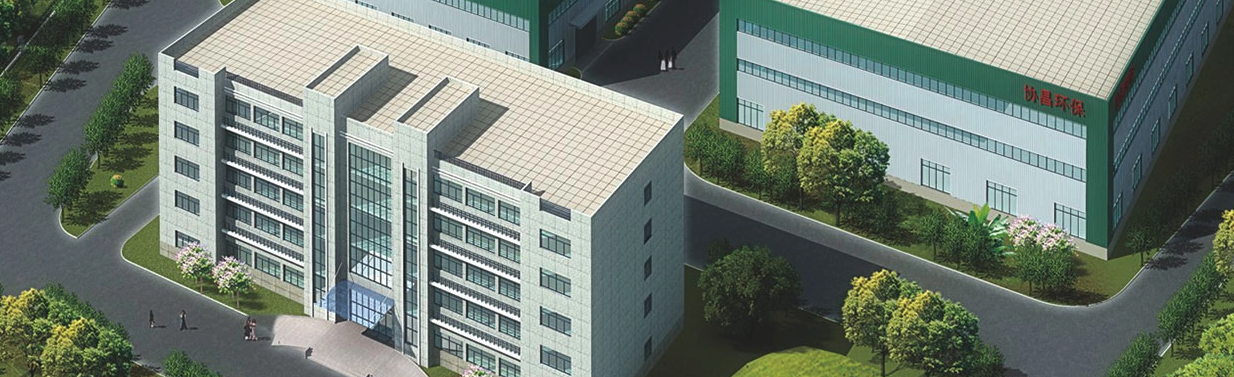
As a key member of the China Association of Environmental Protection Industry Bag Filter Committee, Xiechang plays an active role in setting technical directions for the baghouse industry. This position reflects long-term expertise and deep involvement, not short-term market participation. Founded in 1992, Xiechang is one of the oldest and largest manufacturers of pulse jet dust collector spare parts in China. The company operates from the Suzhou–Singapore Industrial Park, one of the country’s most advanced industrial zones. A factory area exceeding 50,000 square meters supports large-scale, stable production.
When evaluating manufacturers, we should check:
Industry committee involvement and technical leadership
Years of focused experience in pulse jet systems
Patent strength and R&D capability
Global application references
Ability to support air pollution control projects long term
Xiechang stays committed to high-quality components and professional service, supporting cleaner air and reliable dust collection systems across industries.

FAQ
Q: What affects the efficiency of a pulse jet dust collector?
A: Key factors include filter media, air-to-cloth ratio, dust properties, pressure drop, and pulse cleaning control strategy.
Q: Are cartridge pulse jet dust collectors more efficient than baghouses?
A: Cartridges often perform better for fine dust and compact spaces. Baghouses suit high temperatures and heavy dust loads.
Q: How long do filter bags or cartridges last?
A: Most last 1–4 years. Dust type, temperature, moisture, and cleaning frequency affect lifespan.
Q: How can I reduce energy and compressed air consumption?
A: Use low-pressure-drop filters, smart PLC controls, optimized pulse timing, and VFD-controlled fans.
Conclusion
Choosing a pulse jet dust collector is not just about equipment, it is about long-term performance, cost control, and confidence in daily operation. When we look deeper into cost structure, filtration efficiency, and system design, the real value becomes much clearer. A well-matched system protects air quality, keeps energy use under control, and supports stable production.
By understanding how pulse jet dust collectors work in real industrial conditions, we can ask better questions and make smarter decisions. The right combination of design, controls, and supplier support turns dust collection from a burden into a competitive advantage.