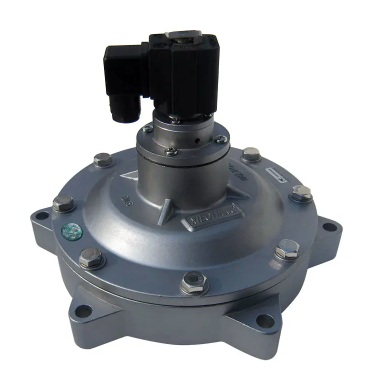
Pulse valves are critical components in industrial dust collection systems, particularly in pulse-jet baghouses. At the heart of each pulse valve is the diaphragm – a flexible membrane that regulates the release of compressed air, enabling efficient filter cleaning. Despite its small size, the diaphragm plays a decisive role in system performance. Understanding diaphragm materials, common failure modes, and proper replacement procedures can save time, reduce maintenance costs, and extend the life of your dust collection system.
Table of Contents
Toggle
Pulse Valve Diaphragm Materials
Selecting the right diaphragm material is essential for durability and system efficiency. The most common materials include:
Material
Properties
Typical Applications
Nitrile (Buna-N)
Good wear resistance, oil-resistant, moderate temperature tolerance (-40°C to 120°C)
Standard dust collection systems, moderate temperature & chemical environments
Viton (FKM)
Excellent chemical and heat resistance (-20°C to 200°C), durable under aggressive conditions
Chemical plants, high-temperature applications, environments with solvents or oils
PTFE (Teflon)
Outstanding chemical resistance, high-temperature tolerance (-200°C to 260°C), low friction
Highly corrosive environments, cleanroom or pharmaceutical applications
Tip: Choosing the wrong diaphragm material can lead to rapid wear, air leaks, or system downtime.
Common Diaphragm Failure Modes
Even high-quality diaphragms wear out over time. The most frequent failure modes include:
1. Cracking or Splitting Caused by material fatigue, exposure to UV light, or extreme temperature fluctuations. Leads to weak pulsing or air leakage.
2. Hardening or Loss of Elasticity Common in older nitrile diaphragms under high-temperature or high-pressure conditions. Results in slow response and incomplete cleaning pulses.
3. Chemical Degradation Exposure to aggressive chemicals or solvents can cause swelling, softening, or perforation, reducing diaphragm life.
4. Improper Installation Damage Over-tightening, misalignment, or foreign particles during installation can puncture or deform the diaphragm.
Signs That a Diaphragm Needs Replacement
Regular inspections help identify failing diaphragms before they affect system performance. Common indicators include:
·Reduced pulse intensity or incomplete cleaning of filter bags
·Continuous air leakage from the valve
·Audible hissing or whistling near the valve body
·Visible cracks, deformation, or hardening on the diaphragm surface
Recommendation: Inspect diaphragms every 6–12 months, depending on operating conditions and compressed air quality.
Replacing a Pulse Valve Diaphragm: Step-by-Step
Proper replacement ensures reliable operation and extends the life of the valve.
Tools Needed:
·Wrenches or screwdrivers (correct size)
·Clean lint-free cloth
·Replacement diaphragm
·Optional: Compressed air for cleaning
Steps:
1. Depressurize the System Ensure the air supply is completely turned off and the system is depressurized.
2. Disassemble the Valve Remove the valve cover carefully. Label components if necessary to avoid reassembly errors.
3. Remove the Old Diaphragm Inspect the valve body for wear or debris while removing the diaphragm. Clean the seating surface thoroughly.
4. Install the New Diaphragm Align the diaphragm correctly with the valve seat. Avoid folds or twists.
5. Reassemble and Test Replace the cover, tighten screws evenly, and restore compressed air. Test the pulse strength and verify proper operation.
·Perform regular inspections and preventive maintenance
·Keep a maintenance log to track replacements and failures
·Use genuine replacement diaphragms for material compatibility
Conclusion
The pulse valve diaphragm may seem like a small component, but it has a major impact on the efficiency and reliability of your dust collection system. Selecting the appropriate material, monitoring for failure signs, and following proper replacement procedures ensures consistent performance, minimizes downtime, and protects your investment.
At XieChang, we provide high-quality diaphragms compatible with all common pulse valve types. By prioritizing diaphragm maintenance, your dust collection system will operate at peak performance for years to come.