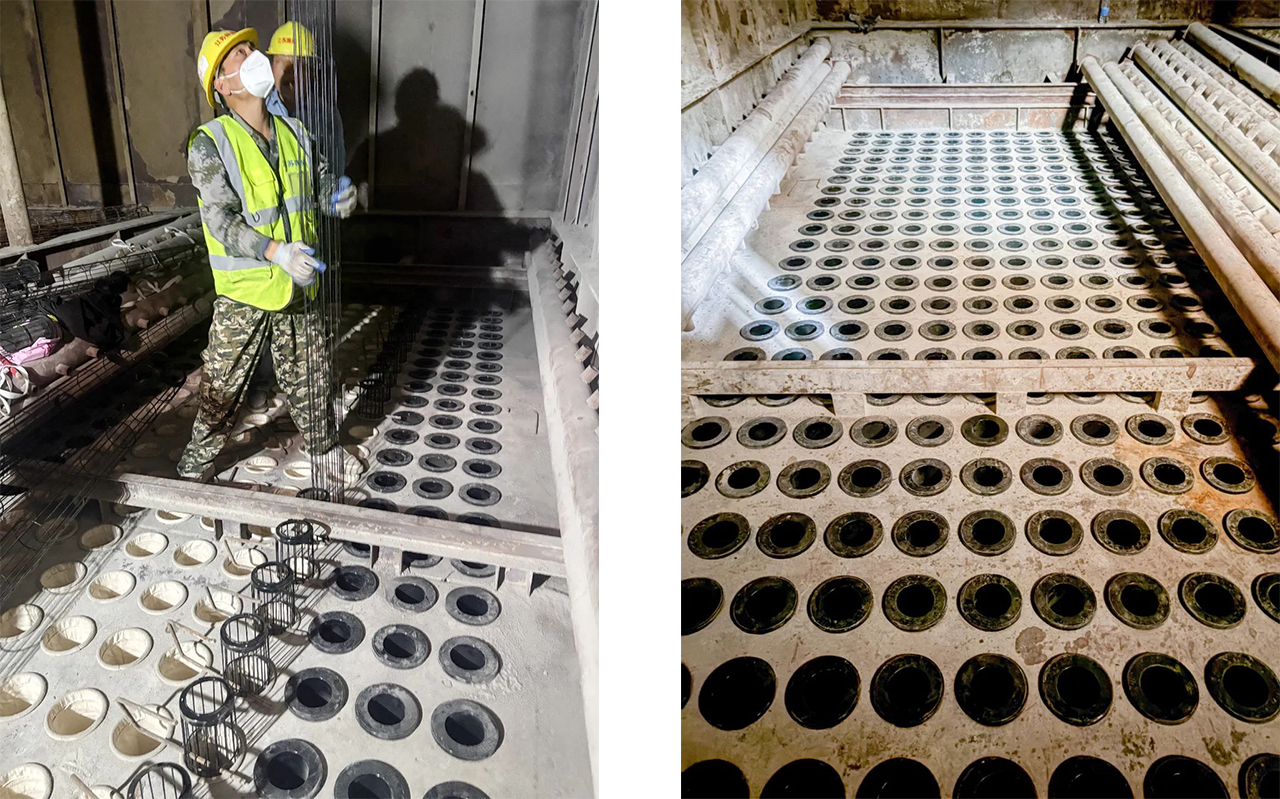
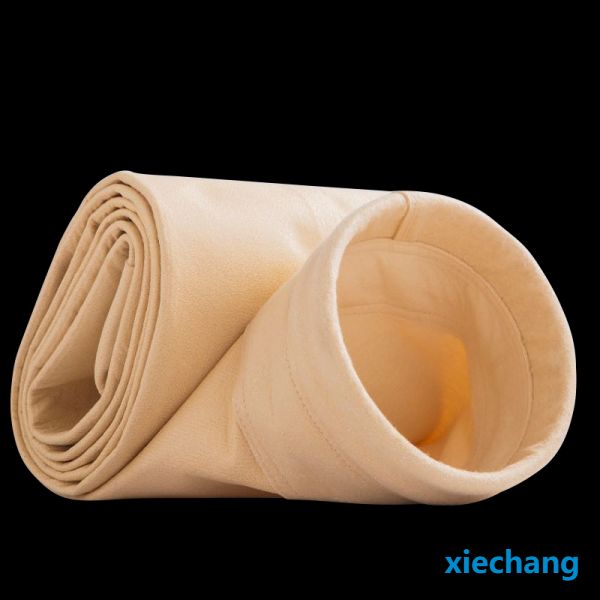
You will notice a big difference when you use a PPS filter bag instead of other materials. Cement Innovator has many years of experience. They help you pick the best filters for your baghouse. The PPS filter bag lasts much longer, even in tough places. You need to pick the right filter bag material. This helps your dust collection work better and last longer. Cement Innovator sells polyester, polypropylene, Nomex, and PPS filter bags. These bags fit different needs.
How long a filter bag lasts depends on how strong and good the material is.
PPS filter bag works best in hot and harsh places, so it lasts longer.
Picking the right bag for your system helps it last longer and need less fixing.
You can count on Cement Innovator for smart solutions. They help your system work well for a long time.
![]()
Key Takeaways
PPS filter bags last longer in hot places. They work well in harsh environments. This makes them good for hard jobs like waste incineration. They are also used in coal power plants.
Picking the right filter bag material helps collect dust better. It also lowers maintenance costs over time.
PPS filter bags resist chemicals and high heat. This means they work well when other materials might not.
PPS filter bags may cost more at first. But they save money later because you replace and fix them less.
Talking to experts like Cement Innovator can help you choose the best filter bag. They help you find what works for your needs and conditions.
Filter Bag Materials Overview
Role in Dust Collection
Dust collection filter bag materials help keep your workspace safe. They catch dust and tiny particles so they do not get into the air. Many industries use polypropylene and non-woven materials a lot. Polypropylene is cheap and works well with corrosive gases or high humidity. Non-woven materials are becoming more popular. They hold more dust and last longer. This helps you get better dust capture. Using the right filter bag improves dust removal and protects your equipment.
A dust collection filter bag does more than catch dust. It helps your baghouse system work well. You get better filtration and less downtime. Filters last longer and you spend less time fixing them. You also follow safety rules and keep your team healthy.
Why Material Choice Matters
Picking the right filter bag materials is important for your dust collection system. You need to think about the dust type, temperature, and chemicals in your process. These things affect how long your filter bag lasts and how well it works.
Here is a table that shows the main things to think about:
Factor | Description |
Type of dust | The kind of dust you need to filter changes what material you pick. |
Operating temperature | The highest temperature affects how strong the filter bags are. |
Gas composition | The gas you treat matters when picking the right materials. |
Particulate characteristics | The size and type of particles change how well the filter works. |
Air-to-cloth ratio | This ratio changes how well the filter bags work. |
Moisture content | Moisture can make filter materials break down faster. |
Chemical resistance | Materials must resist chemicals to last longer. |
Temperature variations | The filter needs to handle changes in temperature to work well. |
You want your dust removal to stay strong. You also want your filter bag to last a long time. Picking the right materials helps you collect more dust and save money.
PPS Filter Bag Features

High-Temperature and Chemical Resistance
PPS filter bags are strong in hot places. They can handle heat up to 200°C every day. For short times, they can take 232°C. This makes PPS great for tough jobs. PPS felt keeps working even when it is very hot.
PPS also does well with chemicals. It resists acids, alkalis, and organic solvents. You do not have to worry about it breaking down fast. PPS stays good and reliable when other materials fail. You get filters that last longer and need fewer changes.
Here is what PPS can do:
Feature | Description |
High-Temperature Resistance | Handles heat up to 200°C, good for hot jobs. |
Chemical Stability | Stays strong with acids and alkalis, lasts longer. |
Corrosion and Abrasion Resistance | Can take wear and tear, works for a long time. |
Superior Filtration Efficiency | Catches 99.9% of particles, keeps air clean. |
Typical Applications
PPS filter bags are used in many hot places. They work in waste incineration plants and coal power stations. PPS is good for foundries and places with hot gases and chemicals. It keeps filtering well when other bags stop working. You can use PPS in cement plants and steel factories. PPS is also used in asphalt mixing and chemical processing.
Tip: PPS is a smart choice for hot jobs. It gives you quality and reliability every time.
Advantages and Drawbacks
PPS has many good points. It resists heat, chemicals, and water damage. PPS also has low pressure-drop, so your system uses less energy. It has good strength and does not break down easily. PPS stays reliable even in tough places. You get filters that help your system work better and last longer.
Advantages |
High temperature resistance |
Chemical corrosion resistance |
Hydrolysis resistance |
Low pressure-drop |
Good mechanical properties |
PPS filter bags help your system avoid fast breakdowns. They keep your dust collection running well. You get the best results with PPS in hot places.
Performance Comparison: PPS vs. Polyester
Durability and Efficiency
You want your filter bags to last a long time. PPS filter bags are very tough in hard places. They can handle heat, chemicals, and wear. Polyester filter bags work in many jobs, but they do not like high heat or strong chemicals as much as PPS. PPS filters stay strong and last longer. Polyester filters last about 2-4 years and catch small PM2.5 particles well. PPS filter bags often last longer because heat and chemicals do not break them down.
Efficiency is important for dust collection. PPS filter bags catch up to 99.9% of dust, so your air stays clean. Polyester filter bags also work well, catching up to 98.99% of dust. Both do a good job, but PPS works better in tough places. When you compare filter bags, PPS is best for strength and efficiency.
Application Suitability
You need to pick the right filter bag for your job. PPS filter bags are best for hot places with strong chemicals. You see PPS in waste plants, coal power stations, and cement factories. PPS keeps working when other bags stop.
Polyester filter bags are good for wood shops, food factories, and cement. They work well in normal heat and clean air. You use polyester when you want smooth bags and lots of airflow. PPS is for harder jobs. Polyester is for everyday dust.
Tip: Pick PPS for hot and harsh places. Use polyester for normal dust and regular jobs.
Cost Factors
You want to know how much filter bags cost. PPS filter bags cost more at first, but you save money later. You do not change PPS filters as often, so you spend less on work and repairs. Polyester filter bags are cheaper to buy, but you need to change them more.
Here is a table that shows labor costs for changing filters:
Filter Type | Total Labor Cost per Changeout |
Polyester Filter Bags | $8,000 |
PPS Filter Bags | $2,000 |
PPS filter bags cost more at the start. You get fewer changes and lower costs over time. You spend less fixing things and your system works better. Polyester bags are cheaper at first, but you pay more for new bags and work.
When you compare them, PPS filter bags last longer, work better, and save money in the long run. Picking the right filter bag helps your system work its best.
PPS vs. Polypropylene Filter Bags
Chemical Resistance
Your dust collection system needs to fight off strong chemicals. Polypropylene filter bags do well with acids and alkalis. They can handle pH levels from 1 to 14. This means they work in chemical shops or electroplating plants. PPS filter bags protect even better. They can block sulfur oxides and nitrogen oxides. These gases are found in waste plants and coal power stations. PPS filter bags also work in hotter places than polypropylene.
Here is a table to help you compare:
Filter Bag Type | Chemical Resistance Profile | Temperature Resistance |
Polypropylene (PP) | Suitable for acidic/alkaline environments (pH 1-14) | N/A |
PPS | Best corrosion resistance (sulfur oxides, nitrogen oxides) | Can operate continuously at 190 °C |
Note: If your baghouse faces strong acids, alkalis, or hot gases, PPS filter bags offer the best performance.
Efficiency and Lifespan
You want filters that last long and keep air clean. PPS filter bags do not break down from heat or chemicals. They work well in tough places and last over four years. This is true in coal power plants. Polypropylene bags are good in wet or acidic spots. They last three to five years if you take care of them.
Here is a quick look:
Filter Type | Efficiency Characteristics | Lifespan Characteristics |
PPS Filter Bags | High resistance to heat and chemical degradation, effective in harsh conditions. | Often exceeds 4 years in service life, especially in coal-fired power plants. |
Polypropylene Bags | Excels in highly acidic and wet conditions, preventing moisture-related degradation. | Typically achieves 3-5 years of service life when properly maintained. |
Both types give strong filtration and last a long time. PPS is best for hot and hard jobs.
Best Use Cases
You need to pick the right filter bag for your job. PPS filter bags are great for cement plants with high heat. They work well in tough places and keep your system running. Polypropylene filter bags are best for the last steps in cement plants. Their fine fibers catch dust well.
Check this table for a quick guide:
Filter Bag Type | Characteristics | Best Use Case |
PPS Filter Bags | High temperature resistance, suitable for harsh conditions | Ideal for high-temperature processes in cement manufacturing |
Polypropylene Filter Bags | Excellent dust capture efficiency, fine fibers | Effective during final grinding and packaging of cement |
Tip: Pick PPS for hot and tough jobs. Use polypropylene for wet, acidic, or easier steps.
PPS vs. Nomex Filter Bags
High-Temperature Performance
It is important to know how PPS and Nomex filter bags handle heat. Nomex filter bags work well in very hot places. They can run at 260°C all the time. PPS filter bags can work at 190°C without problems. PPS can also take short bursts up to 210°C. If your dust collection system gets very hot, Nomex works better.
Here is a quick look at their temperature limits:
Filter Bag Type | Continuous Working Temperature (°C) | Instant Temperature (°C) |
Nomex | 260 | N/A |
PPS | 190 | 210 |
Tip: Pick Nomex for the hottest jobs. PPS is good for medium or high heat.
Strength and Durability
You want filters that are strong and last long. Nomex filter bags have high thermal stability and strong strength. They do not wear out fast and keep their shape. This is true even when temperatures change quickly. PPS filter bags also last a long time. They stand up to acids and moisture. Both types are good for tough jobs. Nomex handles more heat and keeps working when temperatures go up and down.
Nomex: Handles high heat, strong against wear, lasts longer in hot places.
PPS: Resists acids, moisture, and works well with harsh chemicals.
Application Differences
You should pick the right filter bag for your job. PPS filter bags work best in places with medium heat and lots of chemicals. Cement plants with high sulfur use PPS. Nomex filter bags are best for very high or changing temperatures. You see Nomex in kiln inlets or coolers. Both help your dust collection system run well. Each has its own best use.
Here is a table to help you decide:
Filter Bag Type | Characteristics | Best Applications |
PPS | Chemical resistance, moisture-tolerant, cost-effective | Medium-temperature gas with high sulfur |
Nomex | High thermal stability, strong strength, abrasion-resistant | Fluctuating temperature gas, kiln inlet, cooler |
Note: For the highest filtration needs, you may also look at ptfe filters. These filters work well in extreme conditions and give top performance.
PPS vs. PTFE Filter Bags
Filtration Efficiency
You want your baghouse to work well. PTFE filter bags trap almost all fine dust. They catch up to 99.99% of tiny particles. PPS filter bags also do a good job. They catch 99.9% of dust. Both filters keep your air clean and safe. PTFE is best for removing very small dust. PPS works well where there is lots of dust and heat.
Tip: Pick PTFE filter bags if you need the best filtration for tiny dust.
Environmental Suitability
You need to use the right filter bag for your environment. PPS filter bags work well in places with lots of dust and heat. They also do well when there is not much moisture. PTFE filter bags fit many places. They are good for sticky dust and very fine particles. PTFE resists chemicals and does not clog easily. PPS is best for hot, dry, dusty places.
Here is a quick comparison:
Filter Bag Type | Suitable Conditions |
PPS | High dust concentration, high temperature, low moisture content |
PTFE | Works in sticky dust, fine particles, and harsh chemicals |
Note: PPS filter bags are great for cement plants and coal power stations. PTFE filter bags are good for places with sticky or fine dust.
Cost and Maintenance
You want to spend less money and time on maintenance. PTFE filter bags cost more at first, but they last longer. They need less cleaning. PTFE filter bags can last 6-8 years. This is twice as long as regular felt filter bags. PPS filter bags are cheaper in less harsh places. They are strong and resist wear, so they last longer than many other filters.
Here is a table to help you compare:
Filter Bag Type | Cost | Maintenance Requirements |
PPS | More cost-effective in less harsh environments | Good mechanical strength, longer service life due to abrasion resistance |
PTFE | Higher initial cost, but favorable overall cost of ownership | Longer service life (6-8 years), lower maintenance due to non-stick properties and reduced clogging |
Tip: PTFE filter bags help you save money and energy over time. PPS filter bags work well in hot, dusty places.
Choosing the Right Filter Bag Materials
Picking the right filter bag material helps your dust system work well. It also makes it last longer. You need to think about a few key things before you decide. Cement Innovator can help you find what fits best for your baghouse. Their engineering team can give advice if you have special needs.
Operating Temperature
You need to know how hot your system gets. Each filter bag material works best in certain heat ranges. If you pick the wrong one, your filters may break fast. This means more repairs and higher costs. Here is a table showing temperature limits for common filter bag materials:
Filter Bag Material | Operating Temperature Range |
PPS | 375°F (191°C) continuous, 400°F (204°C) short-term |
Fiberglass | 300°F to 550°F (150–260°C) |
Ceramic | Up to 700°F (371°C) |
PPS filter bags are good for most big jobs with high heat. Fiberglass and ceramic are better for even hotter places. Always match the heat range to your process.
Chemical and Moisture Resistance
Chemicals and water can hurt filter bags. You need a material that stands up to acids, alkalis, and water. PPS filter bags resist chemicals very well. They also work in wet or harsh spots. Other materials may not last as long with strong chemicals or moisture. The table below compares PPS to other choices:
Property | PPS Performance | Alternative Materials Performance |
Chemical Resistance | Excellent, withstands aggressive chemicals | Varies, often lower than PPS |
Moisture Resistance | High, suitable for harsh conditions | Generally lower than PPS |
Thermal Stability | Up to 260°C, superior thermal stability | Often lower thermal limits |
If your process uses strong chemicals or has lots of moisture, PPS filter bags will protect your system. They help you meet filtration needs.
Filtration Efficiency
You want your dust system to catch as much dust as it can. This keeps your air clean and your equipment safe. PPS filter bags catch fine dust with high efficiency. You should also check the pH and heat range for each material. The table below shows how PPS compares to other filter bags:
Filter Bag Material | Filtration Efficiency | Temperature Range | pH Range |
PPS | High (50 to 800 mesh) | High | 1 to 13 |
Nomex | Moderate | Moderate | 3 to 14 |
Acrylic | Low | Low | 5 to 9 |
Pick PPS if you need high efficiency and strong performance in tough places. This matters for big industrial jobs.
Budget Considerations
You need to think about price and how long filter bags last. Some materials cost less but wear out faster. PPS filter bags may cost more, but they last longer and need fewer changes. This saves money over time. You also spend less on repairs and downtime. When you look at what affects filter life, PPS is a smart choice for many industries.
Tip: Ask Cement Innovator’s engineering team for help. They can help you pick the right filter bag for your system and budget.
You can trust Cement Innovator to help you every step of the way. Their experts help you match the right filter bag to your process. Your baghouse will run smoothly and efficiently.
Summary Table: PPS Filter Bags vs. Others
It is important to pick the best filter bags. The right filter bag helps your system work well. It also makes your baghouse last longer. The table below shows how PPS filter bags are different from other types. You can see how they compare in heat limits, chemical resistance, how long they last, price, how well they filter, and where they work best.
Feature | PPS Filter Bags | PTFE Filter Bags | Nomex Filter Bags | Polyester Filter Bags |
Operating Temperature | 190°C (374°F) | 260°C (500°F) | 200°C (392°F) | 130°C (266°F) |
Chemical Resistance | Excellent | Excellent | Good | Fair |
Service Life | 24-36 months | 36-48 months | 18-24 months | 12-18 months |
Cost | Medium-High | Very High | Medium | Low |
Filtration Efficiency | >99.99% | >99.99% | >99.95% | >99.90% |
Pressure Drop | Moderate | Very Low | Moderate | High |
Hydrolysis Resistance | Excellent | Excellent | Fair | Poor |
Ideal Applications | Power plants, waste incinerators, calciners | Extreme temperature cement, steel | Asphalt plants, moderate temperature | Low-temperature dust collection |
Cement Innovator’s PPS filter bags are great for hard jobs. They catch dust and keep your air safe. These bags work well in cement plants and other tough places. Their strong build and chemical resistance help your baghouse follow rules and protect workers. You can count on Cement Innovator for good filters that work well.
You now know that PPS filter bags can handle high heat. They also resist chemicals very well and last a long time. Here is a simple chart that shows what they do well and where they have problems:
Strengths | Weaknesses |
High thermal stability | Needs careful installation |
Excellent chemical resistance | Not best in high-oxygen places |
High durability | N/A |
When you pick filters for your baghouse, think about what your system needs. You should also think about what you want your filters to do. Cement Innovator can help you with special solutions, following rules, checking your system, and teaching your team how to use filters.
Service Type | Description |
Customized Solutions | Special changes made just for your plant |
Compliance Assistance | Help with following the rules |
Baghouse Audit | Checks and advice for your whole system |
Baghouse 101 Trainings | Training to help your team use filters the right way |
For the best help, contact Cement Innovator for expert advice.
FAQ
What makes PPS filter bags different from other filters?
PPS filter bags can handle strong chemicals and high heat. They work well in hard places. PPS bags last longer and help your system stay strong.
Can I use PPS filter bags in any baghouse?
You can use PPS filter bags in most baghouse systems. They work for many jobs, especially where it is hot or has strong chemicals. Always check what your system needs before you pick a filter.
How does PPS affect filtration efficiency?
PPS filter bags catch tiny dust and make air cleaner. Your equipment stays safe and works better. This helps you follow safety and clean air rules.
When should I replace my PPS filter bags?
Change PPS filter bags if air flow drops or dust goes up. Check your filters often to keep your system working well and avoid problems.